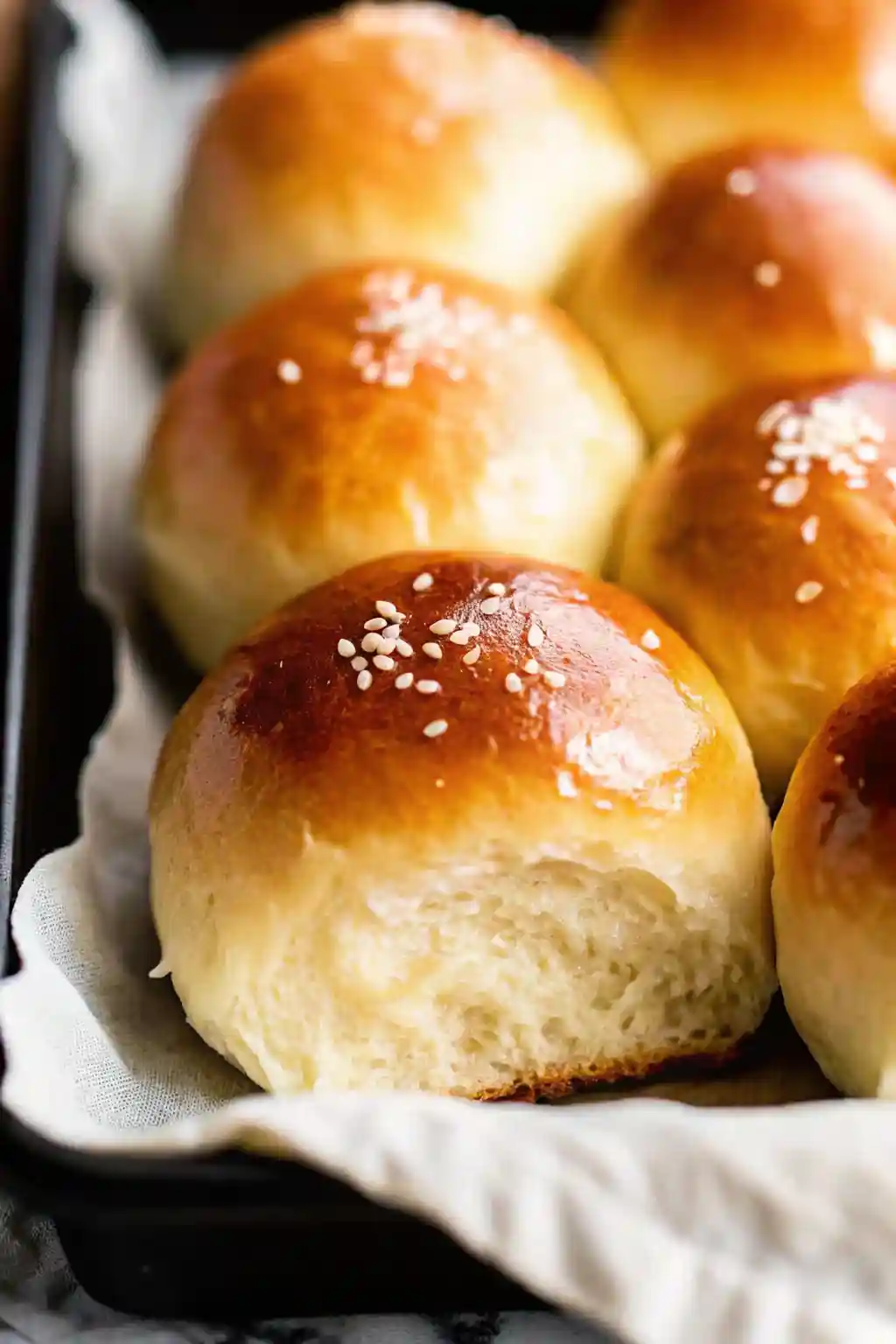
Master Soft & Buttery Dinner Rolls with 7 Simple Ingredients
Is there any aroma more comforting, more inviting, than a fresh pan of homemade dinner rolls cooling on the counter? Few things elevate a meal quite like soft, pillowy bread, especially when it’s infused with a rich, buttery flavor that practically melts in your mouth. For many, the thought of baking bread from scratch, particularly yeast rolls, can feel intimidating. Images of complicated processes, endless kneading, and failed rises often deter even the most enthusiastic home cooks. But what if we told you that creating these heavenly soft and buttery dinner rolls is not only achievable but surprisingly simple, requiring just seven basic ingredients and about an hour of your time?
This article is your comprehensive guide to mastering the art of the perfect buttery dinner rolls. We’ll demystify the process, explain the science behind their incredible texture, and equip you with the knowledge to bake irresistible rolls that will impress everyone at your table. Forget store-bought; your new go-to recipe is about to become a beloved staple in your culinary repertoire, whether you’re a seasoned baker or a complete novice.
The Secret to Irresistibly Soft & Buttery Dinner Rolls: Understanding "Rich Dough"
The quest for exceptionally soft and flavorful bread often leads to a fundamental concept in baking: the difference between "lean" and "rich" doughs. While crusty loaves like ciabatta, focaccia, or artisan bread rely on a lean dough – one with minimal fat, sugar, or dairy – to achieve their signature chewiness and open crumb, our coveted buttery dinner rolls demand the opposite. Their melt-in-your-mouth texture is a direct result of using a rich dough.
So, what exactly makes a dough "rich"? It's the generous inclusion of ingredients like butter, eggs, milk, and sugar. These components do more than just add flavor; they fundamentally alter the dough's structure and performance:
- Fat (Butter): This is the star player for our buttery dinner rolls. Butter coats the gluten strands formed during kneading, preventing them from developing into a super-strong, chewy network. The result? A tender, delicate crumb that is characteristic of soft rolls. Furthermore, butter adds incredible flavor and contributes to a beautiful golden-brown crust.
- Eggs: Eggs add richness, moisture, and help to bind the dough, contributing to a softer texture and a more stable structure. They also impart a lovely yellow hue to the finished rolls.
- Milk: Using milk instead of water in bread recipes introduces milk fats and proteins, which inhibit gluten development, making the dough more tender. Milk also contains sugars that caramelize during baking, enhancing the browning and flavor of the crust.
- Sugar: Beyond just sweetness, sugar feeds the yeast, helping it activate and produce carbon dioxide, which makes the rolls light and fluffy. It also contributes to moisture retention and a softer crumb, as well as promoting browning during baking.
Unlike lean doughs, which produce a crustier, chewier bread, a rich dough is essential for achieving the pillow-soft texture that makes these buttery dinner rolls so undeniably good. Understanding this distinction is the first step in mastering these delightful treats.
Your 7-Ingredient Journey to Perfect Buttery Dinner Rolls
One of the most appealing aspects of this recipe is its simplicity. You don't need exotic flours or a pantry full of obscure ingredients. Just seven everyday staples combine to create something truly extraordinary. While specific quantities will vary by recipe, the core components typically include:
- All-Purpose Flour: The structural backbone of our rolls.
- Active Dry Yeast: The magic ingredient that makes our rolls rise and become light and airy. Don't be intimidated by yeast; it's easier to work with than you think! If you're new to baking with yeast, exploring a comprehensive Baking with Yeast Guide can provide valuable insights and answers to common FAQs.
- Granulated Sugar: Feeds the yeast and adds a touch of sweetness and tenderness.
- Salt: Crucial for flavor balance and controlling yeast activity.
- Milk: Provides moisture, richness, and aids in browning.
- Egg: Adds richness, color, and helps create that soft crumb.
- Unsalted Butter: The namesake ingredient, vital for flavor, tenderness, and that irresistible melt-in-your-mouth quality. Ensure your butter is softened for easy incorporation into the dough.
The beauty of this short ingredient list is that it allows the quality of each component, especially the butter, to shine through, resulting in truly exceptional buttery dinner rolls.
Mastering the Dough: Hand vs. Stand Mixer Techniques
Whether you prefer the tactile experience of kneading by hand or the convenience of modern kitchen gadgets, this versatile recipe accommodates both. The goal is to develop enough gluten to give the rolls structure while keeping them tender – a balance that's achievable with either method.
Using a Stand Mixer:
A stand mixer with a paddle attachment or dough hook can make quick work of dough preparation.
- Mixing: Start by combining your dry ingredients, then add the wet ingredients. Use the paddle attachment on low speed to bring the dough together until it forms a shaggy ball.
- Kneading: Switch to the dough hook. Increase the speed to medium-low and let the mixer do the work for 7-10 minutes. The dough should become smooth, elastic, and pull away cleanly from the sides of the bowl. It might be slightly tacky but should not be overly sticky.
This method saves arm strength and ensures consistent kneading, perfect for busy schedules.
Kneading by Hand:
Don't have a stand mixer? No problem! Kneading by hand is a therapeutic process that connects you directly to your food.
- Combining: In a large bowl, mix the dry ingredients. Create a well in the center and pour in the wet ingredients, mixing with a wooden spoon until a shaggy dough forms.
- Kneading: Turn the dough out onto a lightly floured surface. Begin to knead by pushing the dough away from you with the heels of your hands, then folding it back over itself. Rotate and repeat. You'll need to knead for about 10-15 minutes. The dough will start off sticky and shaggy, but as you work it, it will become smooth, elastic, and less sticky. A good test for readiness is the "windowpane test": gently stretch a small piece of dough; if it stretches thin enough to be translucent without tearing, it's ready.
No matter your method, proper kneading is vital for developing the gluten structure that gives your buttery dinner rolls their characteristic chew and rise.
From Dough to Delicious: Essential Tips for Baking Flawless Buttery Dinner Rolls
Once your dough is perfectly kneaded, a few key steps will ensure your buttery dinner rolls turn out perfectly soft, fluffy, and golden brown.
- The First Rise (Bulk Fermentation): After kneading, place the dough in a lightly oiled bowl, cover it, and let it rise in a warm, draft-free place until doubled in size. This can take anywhere from 30 minutes to an hour, especially with a quick-rise recipe. For these 1-hour rolls, the rise times are minimal, making them incredibly do-able even on busy weeknights.
- Shaping: Gently punch down the dough to release the air. Turn it out onto a lightly floured surface and divide it into equal portions. Shape each portion into a smooth, tight ball. This careful shaping ensures an even rise and a beautiful final appearance. Arrange them in a greased baking dish, leaving a little space between each roll for expansion.
- The Second Rise (Proofing): Cover the shaped rolls and let them rise again until noticeably puffy – about 20-30 minutes. This final proofing is crucial for light and airy rolls.
- Baking: Preheat your oven to the recommended temperature. Brush the tops of the rolls with a little melted butter or an egg wash for a beautiful golden crust. Bake until they are deeply golden brown and cooked through.
- The Finishing Touch: As soon as the rolls come out of the oven, brush them generously with more melted butter. This enhances the flavor, adds shine, and contributes to that incredible softness.
Make-Ahead Options for Convenience: Planning ahead can make these rolls even more accessible. This recipe is often updated with instructions for preparing the dough in advance. You can typically prepare the dough up to the shaping stage, cover it tightly, and refrigerate it overnight. The next day, simply bring the dough to room temperature, shape, allow to rise, and bake. This makes it a fantastic option for holidays or when you want fresh rolls without the last-minute rush. For a more detailed guide on preparing your dough ahead of time, explore our Rich Dough Secret: Make-Ahead Soft & Buttery Dinner Rolls Guide.
Beyond the Basic Roll: Creative Variations and Serving Suggestions
While classic buttery dinner rolls are perfect on their own, don't hesitate to experiment with variations to suit your taste or meal theme:
- Garlic Butter Rolls: Mince fresh garlic and mix it into the melted butter you use for brushing before and after baking. A sprinkle of dried parsley can complete this savory twist.
- Herby Rolls: Incorporate finely chopped fresh herbs like rosemary, thyme, or chives into the dough during the kneading stage, or sprinkle them on top with the melted butter.
- Cheesy Rolls: Fold in some shredded cheddar, Parmesan, or a blend of cheeses during the final stages of kneading. You can also sprinkle cheese on top before baking.
- Everything Bagel Rolls: Brush with an egg wash and sprinkle with everything bagel seasoning before baking for a savory, textured crust.
These versatile rolls are more than just a side dish. Serve them:
- Alongside a hearty stew or chili.
- As the base for mini sliders.
- With your holiday feast, from Thanksgiving to Easter.
- To soak up gravies and sauces from pot roasts or casseroles.
- Simply with extra butter and jam for a delightful breakfast or snack.
Conclusion
Baking homemade buttery dinner rolls is a rewarding experience that brings incredible flavor and warmth to any meal. With just seven simple ingredients and a clear understanding of rich dough principles and basic techniques, you can overcome any baking intimidation and consistently produce rolls that are unbelievably soft, fluffy, and infused with an irresistible buttery goodness. Bookmark this recipe, gather your ingredients, and prepare to delight your family and friends with the best homemade dinner rolls they've ever tasted. Happy baking!
