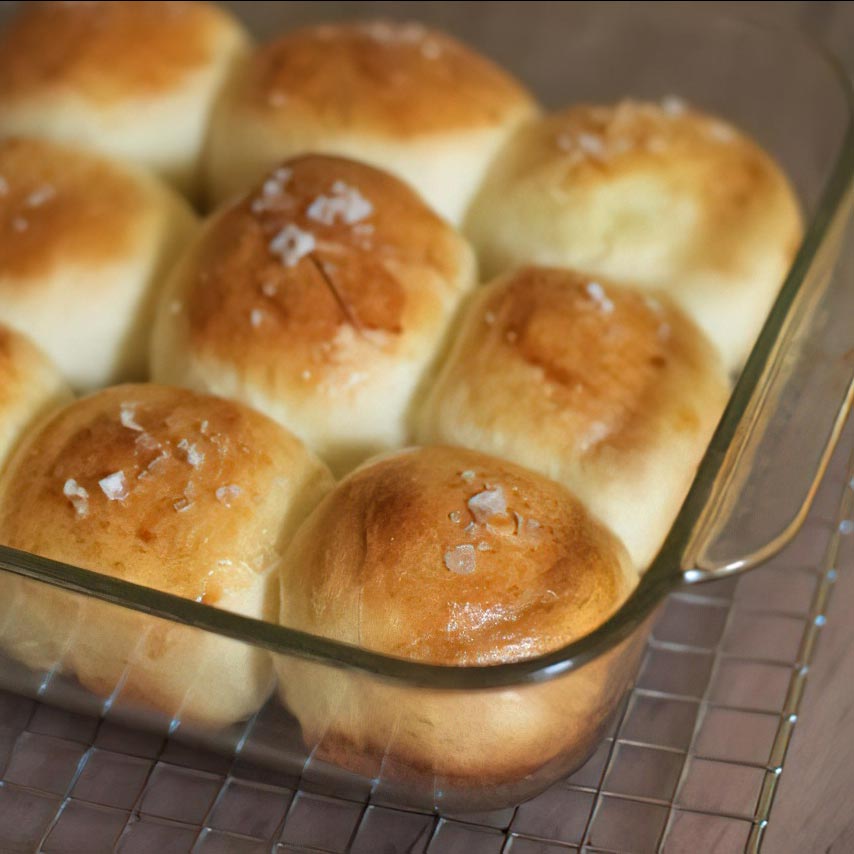
Rich Dough Secret: Make-Ahead Soft & Buttery Dinner Rolls Guide
Is there any aroma more comforting, more inviting, than that of freshly baked bread wafting through your home? Among all the delightful baked goods, a pan of warm, homemade dinner rolls holds a special place. They’re the ultimate comfort food, a perfect companion to any meal, and an instant crowd-pleaser. But not just any dinner rolls – we're talking about those truly irresistible, heavenly soft and buttery dinner rolls that practically melt in your mouth. Imagine achieving this bliss, even on your busiest days, thanks to ingenious make-ahead strategies. This guide will unlock the secrets to crafting these culinary masterpieces, ensuring you can enjoy that fresh-baked magic whenever the craving strikes.
The Magic of a Rich Dough: What Makes These Rolls Irresistible?
The secret to those coveted pillow-soft, flaky, and unbelievably tender dinner rolls lies in what bakers call a "rich dough." Unlike leaner doughs used for crustier breads like ciabatta or artisan loaves, a rich dough is characterized by a higher fat content. This isn't about being financially rich, but rather in its ingredients – typically butter, milk, and often eggs. These additions do more than just add flavor; they fundamentally change the texture and keeping qualities of the bread.
When you incorporate ample butter and other fats into a yeast dough, you inhibit extensive gluten development, resulting in a tender crumb rather than a chewy one. The fats also coat the flour proteins, preventing them from forming long, strong gluten strands that would create a more elastic and crusty bread. Instead, you get a delicate structure that yields easily under pressure, creating that signature melt-in-your-mouth sensation. Furthermore, the richness contributes significantly to the flavor, making each bite incredibly satisfying and, of course, wonderfully buttery. This is why a simple 7-ingredient dough can transform into something truly extraordinary.
Mastering the Basics: Simple Ingredients, Incredible Results
Don't let the thought of baking bread intimidate you. The path to exquisite buttery dinner rolls begins with a surprisingly straightforward list of ingredients. Often, you'll find that only seven staple items are needed to create these culinary delights:
- All-Purpose Flour: The structural backbone of your rolls.
- Active Dry or Instant Yeast: The leavening agent responsible for that fluffy rise.
- Granulated Sugar: Feeds the yeast, aids in browning, and balances flavor.
- Salt: Essential for flavor balance and controlling yeast activity.
- Milk: Provides moisture, adds richness, and contributes to a softer crumb compared to water.
- Butter: The star ingredient that imparts incredible flavor, tenderness, and that signature buttery texture.
- Egg (Optional but Recommended): Adds richness, helps with browning, and contributes to a softer, more stable dough.
The beauty of this recipe is its accessibility. Whether you're a seasoned baker or a beginner, you can achieve fantastic results. The dough comes together easily, either by hand with a bit of arm muscle or with the assistance of a stand mixer fitted with a paddle or dough hook attachment. A brief kneading period is crucial for developing just enough gluten to give the rolls structure without making them tough. For a deeper dive into the foundational elements, you can master soft and buttery dinner rolls with 7 simple ingredients by focusing on these core principles and understanding the role each component plays.
The Make-Ahead Advantage: Enjoy Fresh Rolls Anytime
One of the most appealing aspects of homemade buttery dinner rolls is their warmth and freshness straight from the oven. However, busy schedules, especially around holidays or during hectic weeknights, often make spontaneous baking a challenge. This is where the make-ahead strategy becomes your ultimate kitchen superpower, allowing you to enjoy that fresh-baked experience without the last-minute rush.
Here are several flexible options for preparing your dough in advance:
- Refrigerate the Dough Overnight (or up to 2 days): This is a popular and effective method. After the initial mixing and kneading, instead of letting the dough complete its first rise at room temperature, place the well-oiled dough in a large bowl, cover it tightly with plastic wrap, and refrigerate. The cold temperature significantly slows down yeast activity, allowing the dough to slowly ferment and develop deeper flavors. When you're ready to bake, simply remove the dough from the fridge, let it come to room temperature for about 30-60 minutes, then punch it down, shape your rolls, allow for a final rise, and bake as directed.
- Shape and Refrigerate Unbaked Rolls: For even greater convenience on baking day, you can shape your rolls after the first rise (or after refrigerating the bulk dough overnight). Arrange the shaped rolls in a greased baking dish, cover them tightly with plastic wrap (ensure it doesn't touch the dough directly, you can spray the underside of the plastic with non-stick spray or use a tall dish), and refrigerate for up to 24 hours. On baking day, take them out of the fridge an hour or two before you plan to bake, allowing them to proof at room temperature until puffy. Then, straight into the oven they go!
- Freeze Unbaked Dough (Bulk or Shaped): For longer storage, freezing is an excellent choice.
- Bulk Dough: After kneading, wrap the dough tightly in plastic wrap, then place it in a freezer-safe bag. Freeze for up to 2-3 weeks. To use, thaw overnight in the refrigerator, then proceed with the first rise, shaping, and baking.
- Shaped Rolls: Shape the rolls as usual, then arrange them on a baking sheet and flash freeze until solid (about 1-2 hours). Once frozen, transfer the solid rolls to a freezer-safe bag or container, separating layers with parchment paper. Freeze for up to 3-4 weeks. To bake, you can often place them directly from the freezer onto a greased baking dish, cover, and let them thaw and rise in a warm spot for 3-5 hours (or overnight in the fridge) before baking.
- Freeze Fully Baked Rolls: This is ideal for having ready-to-serve rolls at a moment's notice. Bake your buttery dinner rolls completely, let them cool entirely on a wire rack, then wrap them tightly in foil or plastic wrap, and place them in a freezer-safe bag. They can be frozen for up to 1-2 months. To reheat, simply thaw at room temperature, then warm them in a 300-350°F (150-175°C) oven for 10-15 minutes, or until heated through. A quick brush with melted butter after warming makes them taste fresh-baked again.
Whichever method you choose, remember that proper covering is key to prevent the dough from drying out or absorbing refrigerator odors. These make-ahead techniques empower you to enjoy the unparalleled taste of warm, homemade buttery dinner rolls with minimal effort on the day you serve them.
Beyond Basic: Creative Twists for Your Buttery Dinner Rolls
While classic buttery dinner rolls are perfect on their own, their neutral, rich flavor makes them an excellent canvas for creative enhancements. Don't hesitate to experiment with different additions to elevate your rolls and tailor them to your meal or mood:
- Garlic Butter Rolls: A perennial favorite! Mix finely minced garlic with melted butter and brush generously over the rolls immediately after they come out of the oven. A sprinkle of fresh parsley adds color and extra flavor.
- Herb-Infused Rolls: Fold dried or fresh herbs like rosemary, thyme, chives, or dill into the dough during the kneading stage. The herbs will infuse the rolls with aromatic depth as they bake.
- Cheesy Rolls: Incorporate shredded cheese such as sharp cheddar, Parmesan, or a blend of Italian cheeses into the dough before the final rise. You can also sprinkle cheese on top during the last 10 minutes of baking for a crispy, golden crust.
- Everything Bagel Rolls: Brush the shaped rolls with an egg wash before baking and generously sprinkle them with "everything bagel" seasoning for a savory, textural crunch.
- Sweet Variations: While these are typically dinner rolls, a slight pivot can make them perfect for brunch. Consider swirling in cinnamon sugar before shaping, or making a quick honey butter glaze to brush over warm rolls.
These variations are fantastic ways to add a personal touch and ensure your homemade buttery dinner rolls truly stand out, complementing a wider range of dishes and occasions.
Pro Tips for Perfectly Soft & Buttery Results
Achieving consistently perfect buttery dinner rolls involves a few key practices that can make all the difference:
- Quality Ingredients Matter: Especially butter! High-quality butter will yield superior flavor and a more tender crumb. Use unsalted butter to control the overall salt content of your recipe.
- Don't Rush the Kneading: Whether by hand or mixer, proper kneading develops the gluten just enough to give the rolls structure without making them tough. Aim for a dough that is smooth, elastic, and passes the "windowpane test."
- Give Yeast the Right Environment: Yeast loves warmth. Ensure your milk is lukewarm (around 105-115°F / 40-46°C) to activate the yeast effectively without killing it. A warm, draft-free spot is ideal for rising.
- Avoid Overbaking: Overbaked rolls will be dry and tough. Bake until they are golden brown on top and sound hollow when tapped on the bottom. An instant-read thermometer should register around 200-205°F (93-96°C) internally.
- The Post-Bake Butter Brush: For an extra layer of flavor, shine, and softness, brush the tops of your hot rolls with melted butter as soon as they emerge from the oven. This creates an irresistible sheen and enhances that buttery taste.
- Serve Them Warm: While they're delicious at room temperature, buttery dinner rolls are truly transcendent when served warm, ideally straight from the oven or gently reheated.
There's an unparalleled satisfaction in serving a basket of homemade, warm, soft, and buttery dinner rolls. With the power of a rich dough and the convenience of make-ahead strategies, this culinary delight is within reach for any home baker. Whether you're a beginner intimidated by yeast or a seasoned pro looking to streamline your baking, these tips and techniques will help you achieve consistently perfect results. So go ahead, bookmark this guide, and prepare to add these show-stopping rolls to your repertoire – they are truly a keeper that will never disappoint!
